Choosing the right exterior doors is essential for boosting curb appeal, improving energy efficiency, and enhancing home security—all at once. By focusing on material durability, insulation performance, and hardware quality, homeowners can make an informed decision that pays off in lower utility bills and stronger protection against intruders. For a deeper dive into material selection, see our guide on how to pick the perfect front entry door.
Why Exterior Doors Matter More Than You Think
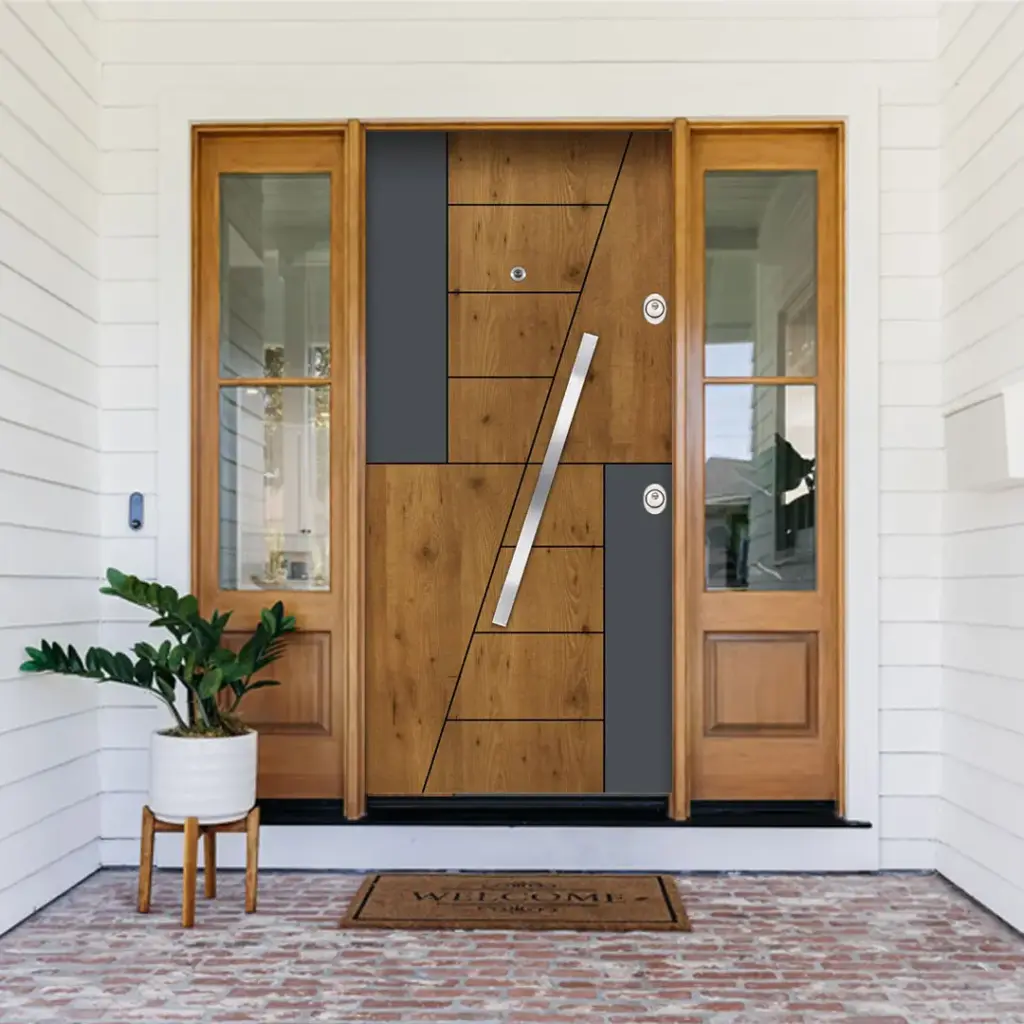
Exterior doors serve as the primary barrier between the indoor environment and the elements. According to the 2025 Energy Star report, doors account for up to 15% of a home’s heat loss in colder climates, making them a critical factor in overall energy performance. Moreover, a well‑chosen door can increase property value by 2‑5%, according to a 2026 Zillow market analysis. Beyond aesthetics, modern weather‑resistant doors incorporate advanced sealing technology that reduces drafts, while integrated security features deter break‑ins without compromising style.
Core Materials: Performance, Cost, and Longevity
When evaluating exterior doors, the material determines durability, maintenance needs, and visual impact. Below is a snapshot of the most common options, backed by recent industry data:
Table of Contents
- Why Exterior Doors Matter More Than You Think
- Core Materials: Performance, Cost, and Longevity
- Energy‑Efficient Doors and Insulation Ratings
- Security Features That Blend with Style
- Installation Best Practices: Ensuring a Perfect Fit
- Common Mistakes and How to Avoid Them
- Case Study: Restoring a Historic Victorian Home
- Frequently Asked Questions
- What is the ideal thickness for an exterior door?
- Can I install a smart lock on a steel door?
- How often should I repaint or refinish my exterior door?
- Do exterior doors affect my home insurance premium?
- Future Trends: What to Expect in 2027 and Beyond
- Fiberglass – Offers a balance of strength and low maintenance. A 2025 study by the American Architectural Manufacturers Association (AAMA) found fiberglass doors retain 95% of their structural integrity after 25 years of exposure to UV and moisture.
- Steel – Provides excellent security and is highly energy‑efficient when paired with insulated cores. The Steel Door Institute reported a 30% reduction in thermal bridging for insulated steel doors compared to non‑insulated models.
- Solid Wood – Delivers timeless aesthetics but requires regular sealing. However, engineered wood composites have narrowed the maintenance gap, as shown in a 2026 Forest Products Laboratory test.
- Aluminum – Ideal for contemporary designs and coastal environments due to corrosion resistance. Yet, without a thermal break, aluminum doors can suffer higher heat transfer, a point highlighted by the Building Science Corporation.
Energy‑Efficient Doors and Insulation Ratings
Look for doors with an ENERGY STAR label, which guarantees a U‑value of 0.35 Btu/(hr·ft²·°F) or lower. In 2026, the National Renewable Energy Laboratory (NREL) reported that homes with ENERGY STAR doors saved an average of 12% on heating and cooling costs.
Security Features That Blend with Style
Modern exterior doors incorporate multi‑point locking systems, reinforced frames, and impact‑rated glazing. The Home Security Report 2025 by SafeHome highlighted that homes with reinforced steel doors experienced a 40% lower burglary rate compared to those with standard wood doors. When selecting hardware, consider:
- ANSI/BHMA Grade 1 deadbolts for maximum resistance.
- Smart lock integration, allowing remote monitoring and temporary access codes.
- Reinforced strike plates and anti‑lift hinges for added protection.
For the latest trends in door hardware, check out our article on innovative exterior door hardware.
Installation Best Practices: Ensuring a Perfect Fit
Even the most premium door can underperform if installed incorrectly. Follow these actionable steps, validated by the 2026 International Code Council (ICC) guidelines:
- Accurate Rough Opening – Measure to within ±1/8 in. The opening should be 1/2 in. larger on each side for shims and insulation.
- Proper Flashing – Use self‑adhesive flashing tape and a sill pan to prevent water infiltration. The Building Envelope Council notes a 25% drop in moisture‑related damage when flashing is correctly applied.
- Insulation and Air Sealing – Fill gaps with low‑expansion spray foam (R‑value 6 per inch). Seal all joints with weatherstripping rated for the local climate zone.
- Hardware Alignment – Verify that hinges, latch, and lock are level before finalizing the installation. Misaligned hardware can cause premature wear and security vulnerabilities.
Common Mistakes and How to Avoid Them
Even seasoned homeowners fall into pitfalls that compromise performance:
- Choosing based solely on appearance – Aesthetic appeal should be balanced with thermal performance and durability. A stunning front entry door that leaks air defeats the purpose of energy savings.
- Skipping professional weatherstripping – DIY kits often lack the compression needed for a tight seal. Professional installation ensures a continuous barrier.
- Neglecting maintenance schedules – Exterior doors exposed to harsh weather need annual inspections. Reapply sealant on wood doors every 2‑3 years to prevent rot.
Case Study: Restoring a Historic Victorian Home
In 2026, a restoration project in Savannah, GA, replaced aging wooden doors with custom‑crafted fiberglass replicas that mimicked the original panels while meeting current energy codes. The homeowner reported a 14% reduction in heating costs and received a historic preservation award for maintaining the architectural integrity. The project underscores how modern exterior doors can honor heritage aesthetics while delivering contemporary performance.
Frequently Asked Questions
What is the ideal thickness for an exterior door?
Most manufacturers recommend a minimum thickness of 1 ¾ in. for optimal security and insulation. Thicker doors (up to 2 in.) provide higher resistance to forced entry and better thermal mass.
Can I install a smart lock on a steel door?
Yes. Smart locks are compatible with steel, wood, and fiberglass doors, provided the deadbolt size matches the door’s pre‑drilled hole. Choose a model with a reinforced strike plate for added security.
How often should I repaint or refinish my exterior door?
For wood doors, repaint every 5‑7 years or sooner if you notice peeling. Fiberglass and steel doors typically require only a surface cleaning and occasional touch‑up of the frame.
Do exterior doors affect my home insurance premium?
Insurance carriers often offer discounts for homes equipped with impact‑rated doors and reinforced locking systems. According to the 2025 Insurance Institute for Business & Home Safety (IBHS), such upgrades can lower premiums by up to 12%.
Future Trends: What to Expect in 2027 and Beyond
As sustainability and smart home integration continue to dominate, manufacturers are developing doors with built‑in solar panels that power adjacent lighting and sensors. Additionally, bio‑based composites made from recycled agricultural fibers are gaining traction, offering comparable strength to traditional materials while reducing carbon footprints.
Whether you’re renovating a historic façade or building a new energy‑efficient home, the right exterior door is a strategic investment. By prioritizing material quality, insulation ratings, security hardware, and professional installation, you can achieve lasting performance, aesthetic harmony, and peace of mind.
For ongoing care tips, read our piece on maintaining exterior doors for longevity.
Further reading: Exterior door (Wikipedia) and Energy Star exterior doors.