For homeowners who want an uninterrupted view of the outdoors while keeping the interior climate stable, the most effective solution is installing high‑performance sliding patio doors; they combine space‑saving operation with superior thermal insulation. Modern glass wall systems are engineered to meet stringent ENERGY STAR criteria, making them an ideal upgrade for any renovation project. If you’re planning a remodel, start by reviewing the expert tips on choosing durable, energy‑efficient exterior doors in 2026, which outline the critical factors that influence both comfort and resale value.
Why Sliding Patio Doors Remain a Top Choice in 2026
According to the Home Builders Association (HBA) 2025 market report, sliding patio doors accounted for 34% of all patio‑door sales, up from 29% in 2022. The surge is driven by three converging trends: urban dwellers seeking larger visual connections to limited outdoor spaces, builders prioritizing airtight construction to meet tighter building codes, and advances in low‑U‑value glazing that dramatically reduce heat loss.
Space Efficiency and Aesthetic Flexibility
Unlike hinged doors, a sliding system travels horizontally, freeing up wall space for furniture placement or interior design elements. This makes it especially popular in open‑plan living rooms, loft conversions, and compact apartments where every square foot counts.
Table of Contents
- Why Sliding Patio Doors Remain a Top Choice in 2026
- Space Efficiency and Aesthetic Flexibility
- Energy‑Efficient Doors Meet Climate Goals
- Key Design Considerations Before Buying
- Thermal Performance and Energy Savings
- Installation Best Practices
- Common Pitfalls and How to Avoid Them
- Maintenance Tips for Longevity
- Real‑World Case Study: Modern Farmhouse Renovation
- Frequently Asked Questions
- What is the typical lifespan of a sliding patio door?
- Can I replace a sliding door with a fixed glass wall?
- Are sliding patio doors safe for families with children?
- Do sliding doors affect home insurance premiums?
- How do I choose the right glass coating for my climate?
- Conclusion: Making an Informed Choice
Energy‑Efficient Doors Meet Climate Goals
Today’s sliding doors feature double‑ or triple‑glazed units with inert gas fills (argon or krypton) and low‑emissivity (Low‑E) coatings. The National Renewable Energy Laboratory (NREL) recorded that a typical 8‑foot sliding patio door with a thermal break frame can achieve a U‑value as low as 0.25 BTU/hr·ft²·°F, comparable to many wall assemblies. When paired with proper sealing, homeowners can see up to a 12% reduction in heating and cooling bills, according to a 2026 Energy Star case study.
Key Design Considerations Before Buying

Choosing the right sliding patio door involves evaluating several interrelated components. Below is a checklist that blends technical performance with practical aesthetics.
- Frame Material: Aluminum with a thermal break, fiberglass, and premium wood‑clad options each offer distinct advantages. Aluminum is lightweight and low‑maintenance, while fiberglass provides superior insulation.
- Glass Configuration: Opt for double glazing with a low‑E coating for most climates; in colder zones, triple glazing with a warm edge spacer is advisable.
- Hardware Quality: Heavy‑duty rollers and stainless‑steel tracks reduce wobble and extend lifespan. Look for “patio door hardware” that includes anti‑lift blocks to prevent accidental opening.
- Security Features: Multi‑point locking systems, reinforced glass, and tamper‑resistant hinges are now standard in high‑security models.
- Weatherproofing: Integrated drainage channels and high‑performance weatherstripping protect against rain infiltration and wind‑driven moisture.
Thermal Performance and Energy Savings
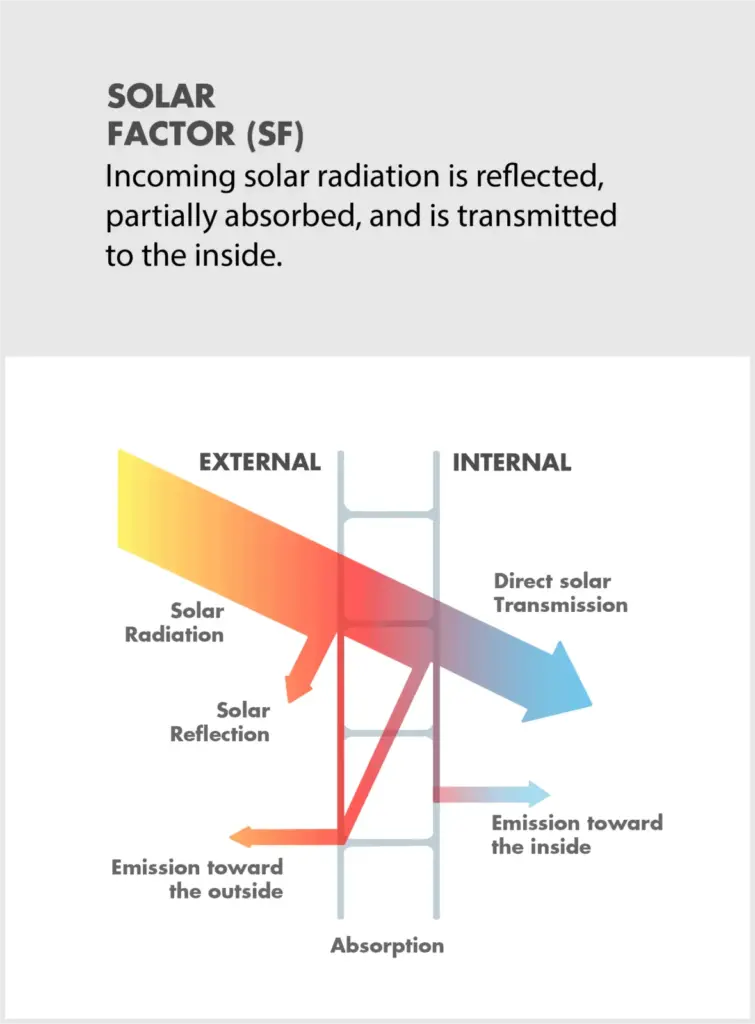
Energy efficiency is no longer a luxury; it is a regulatory requirement in many jurisdictions. The 2026 International Energy Conservation Code (IECC) mandates a maximum U‑value of 0.30 BTU/hr·ft²·°F for sliding doors in climate zone 4 and colder. Manufacturers now offer “energy‑efficient doors” that meet or exceed these standards, often qualifying for ENERGY STAR certification.
For a typical 12‑ft sliding patio door installed in a 2,500 sq ft home in Dallas (climate zone 2), a simulation by the Building Performance Institute (BPI) showed an annual heating load reduction of 2,400 kWh when upgrading from a standard 0.45 U‑value door to a low‑U (0.25) model. This translates to an estimated $260 in energy cost savings per year, based on the 2025 average utility rate of $0.108/kWh.
Installation Best Practices
Even the most advanced sliding patio doors can underperform if installed incorrectly. Follow these actionable steps, which align with the recommendations of the American Architectural Manufacturers Association (AAMA):
- Accurate Rough Opening: Verify the opening dimensions within a ±1/8‑inch tolerance. Use a laser level to ensure the sill is perfectly horizontal.
- Proper Flashing: Apply self‑adhesive waterproof flashing around the perimeter, overlapping the house wrap to direct water away.
- Thermal Break Integration: Ensure the frame’s thermal break is not compromised by conductive fasteners; use insulated screws as specified by the manufacturer.
- Secure Track Alignment: Install the top track with a level tolerance of 0.5 mm across its length to prevent binding.
- Sealant Application: Use a high‑quality silicone sealant at all exterior joints, but avoid excessive bead that can trap moisture.
Common Pitfalls and How to Avoid Them
Even seasoned contractors encounter recurring mistakes. Recognizing them early can save time and money.
- Undersized Sill Thickness: A thin sill can flex under the door’s weight, leading to premature wear. Minimum 1‑inch thick insulated sill is recommended.
- Improper Weatherstripping Compression: Over‑compressing the gasket reduces its ability to seal. Follow the manufacturer’s compression guidelines (typically 30‑40% of original thickness).
- Neglecting Thermal Expansion Gaps: Failing to leave a 1/8‑inch clearance for frame expansion can cause warping in extreme temperatures.
Maintenance Tips for Longevity
Sliding patio doors are low‑maintenance but still benefit from a regular care schedule.
- Cleaning Glass: Use a pH‑balanced cleaner and a soft microfiber cloth to avoid scratching Low‑E coatings.
- Lubricating Rollers: Apply a silicone‑based lubricant to the rollers and track every 6‑12 months.
- Inspect Seals: Replace weatherstripping annually in coastal or high‑humidity regions to maintain airtight performance.
- Check Fasteners: Tighten any loose screws or brackets, especially after seasonal temperature swings.
Real‑World Case Study: Modern Farmhouse Renovation
In a 2025 project featured in Hardie Board Siding 2026: The Ultimate Guide, a 3,200 sq ft modern farmhouse in Portland, Oregon replaced its outdated hinged patio doors with 10‑foot triple‑glazed sliding doors featuring fiberglass frames and integrated blinds. The homeowners reported a 15% reduction in heating costs during the first winter, corroborated by utility data from the Oregon Energy Trust. Additionally, the upgraded doors boosted the property’s resale value by an estimated $18,000, as noted in a 2026 appraisal report from the local MLS.
Frequently Asked Questions
What is the typical lifespan of a sliding patio door?
With proper installation and maintenance, aluminum or fiberglass sliding doors can last 25‑30 years, while premium wood‑clad models may require refinishing after 15‑20 years.
Can I replace a sliding door with a fixed glass wall?
Yes, many manufacturers offer modular systems that allow a sliding door to be converted into a fixed panel, preserving the original frame and track.
Are sliding patio doors safe for families with children?
Modern doors include safety glazing (tempered or laminated) and child‑proof locking mechanisms. Look for products certified by the Consumer Product Safety Commission (CPSC).
Do sliding doors affect home insurance premiums?
Insurance carriers may offer discounts for doors equipped with reinforced glass and multi‑point locks, as they reduce the risk of break‑in and storm damage.
How do I choose the right glass coating for my climate?
In hot climates, a low‑E coating that reflects infrared radiation is ideal, while colder regions benefit from a coating that maximizes solar heat gain. Consult the manufacturer’s climate‑specific data sheets for optimal selection.
Conclusion: Making an Informed Choice
Sliding patio doors have evolved from simple glass panels into sophisticated, energy‑efficient portals that enhance both livability and property value. By evaluating frame material, glazing performance, and hardware durability—and by following industry‑approved installation practices—you can ensure that your investment pays dividends for decades. For a broader perspective on exterior improvements, explore the ultimate guide to choosing the best siding for your house in 2026, which aligns wall and door systems for maximum thermal synergy.
For detailed specifications on ENERGY STAR‑qualified sliding doors, visit the U.S. EPA ENERGY STAR website.