Looking for a durable, low‑maintenance way to give your home a timeless, natural stone look without the weight and cost of real masonry? Stone veneer provides exactly that—an affordable, lightweight exterior cladding that mimics the texture and depth of cut stone while offering modern performance benefits such as improved insulation and moisture resistance. By choosing the right system and installation method, homeowners can achieve a high‑impact aesthetic that also contributes to an energy‑efficient facade.Learn how stone veneer compares to other cladding options like vinyl siding to make an informed decision.
What Is Stone Veneer and Why It Matters in 2026
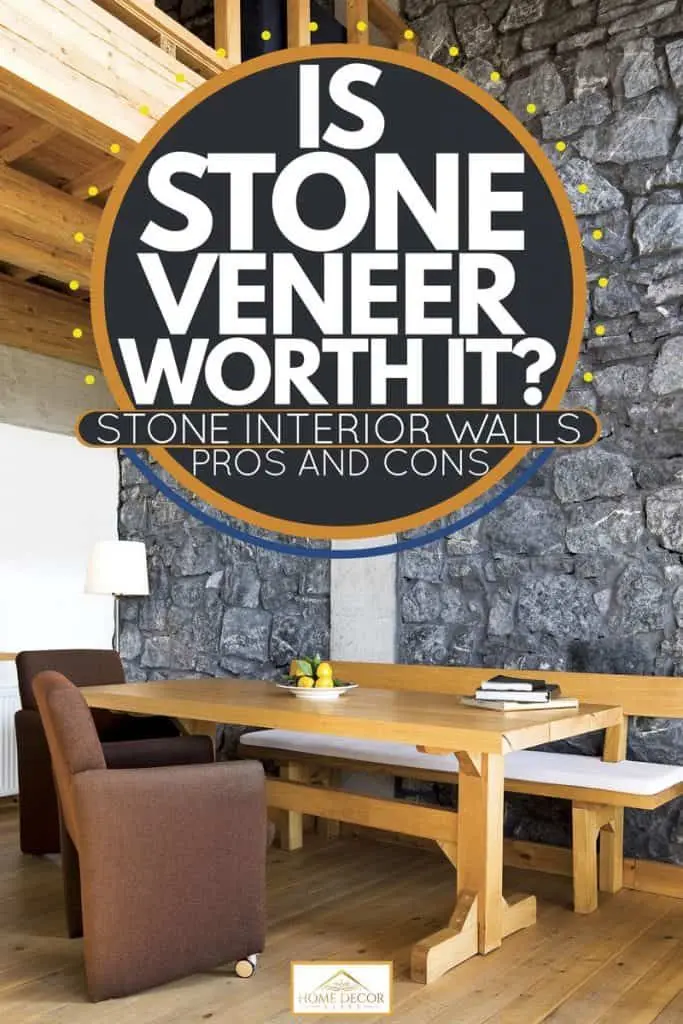
Stone veneer is a thin layer of manufactured or natural stone that is applied to walls, columns, and other architectural elements. Unlike solid stone, which can weigh up to 150 lb/ft², veneer panels typically range from 1 to 3 inches thick and weigh between 8 and 12 lb/ft², making them suitable for most residential structures without extensive structural reinforcement.
In 2026, the National Association of Home Builders (NAHB) reported a 12 % increase in the adoption of stone veneer for new construction, driven by consumer demand for “green‑friendly” aesthetics and the material’s contribution to better R‑values when combined with proper insulation.
Table of Contents
- What Is Stone Veneer and Why It Matters in 2026
- Key Types of Stone Veneer
- 1. Mortared (Traditional) Stone Veneer
- 2. Dry Stack (Unmortared) Stone Veneer
- 3. Manufactured (Cast) Stone Veneer
- Benefits That Set Stone Veneer Apart
- Step‑by‑Step Guide to Installing Stone Veneer
- Preparation (Weeks 1‑2)
- Installation (Weeks 3‑4)
- Finishing Touches (Week 5)
- Cost Considerations and ROI
- Stone Veneer vs. Other Exterior Claddings
- Common Mistakes to Avoid
- Maintenance Best Practices
- Integrating Stone Veneer with Other Exterior Elements
- Frequently Asked Questions
- Can stone veneer be installed over existing siding?
- Is stone veneer fire‑rated?
- How does stone veneer affect home insulation?
- What is the lifespan of stone veneer?
- Do I need a professional installer?
- Future Trends: Stone Veneer in 2027 and Beyond
Key Types of Stone Veneer
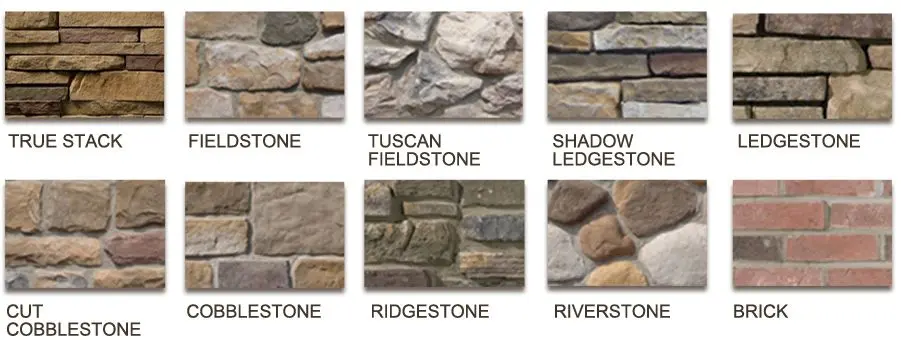
1. Mortared (Traditional) Stone Veneer
This classic method uses a cement‑based mortar to adhere each stone piece to a prepared substrate. It offers superior adhesion, allowing for deep joints that enhance the authentic look of natural stone. However, installation time is longer, and the skill level required is higher.
2. Dry Stack (Unmortared) Stone Veneer
Dry stack systems rely on mechanical anchoring—clips, brackets, or a proprietary backing board—to hold stones in place without mortar. This approach reduces labor costs and speeds up installation, making it popular for DIY projects. The trade‑off is a slightly less “authentic” joint profile, though modern designs have narrowed the visual gap.
3. Manufactured (Cast) Stone Veneer
Engineered from concrete, polymer, or a blend of both, manufactured veneer can replicate exotic stone types that would otherwise be prohibitively expensive. Advances in 2025 molding technology have improved color consistency and reduced the weight of these panels by 15 % compared to earlier versions.
Benefits That Set Stone Veneer Apart
- Lightweight Construction: Reduces structural load, allowing retrofit projects on existing walls.
- Energy Efficiency: When combined with proper insulation, veneer creates an air‑gap that can add up to 0.5 R‑value to exterior walls, contributing to a lower heating bill.
- Low Maintenance: Unlike natural stone, veneer resists cracking and requires only occasional power washing.
- Design Flexibility: Available in a wide range of colors, finishes, and stone styles—from rustic fieldstone to sleek stacked slate.
- Environmental Impact: Manufactured veneer utilizes recycled aggregates; the lighter weight also reduces transportation emissions.
Step‑by‑Step Guide to Installing Stone Veneer
Preparation (Weeks 1‑2)
1. Assess Structural Capacity: Verify that the wall can support the veneer load; consult a structural engineer if adding veneer to a second‑story wall.
2. Moisture Barrier: Install a weather‑resistive barrier (WRB) such as house wrap, ensuring all seams are sealed with compatible tape.
3. Base Layer: Apply a metal lath or a cement backer board over the WRB to provide a solid anchoring surface.
Installation (Weeks 3‑4)
1. Layout Planning: Begin at the bottom center of the wall to maintain symmetry. Use a chalk line to mark a level “starting line.”
2. Apply Mortar (for mortared systems): Mix mortar to the manufacturer’s recommended consistency and spread a ¼‑inch bed on the backer board.
3. Set Stones: Press each stone firmly into the mortar, tapping gently with a rubber mallet to ensure full contact.
4. Dry Stack Method: Secure each panel with the provided clips, following the manufacturer’s spacing guidelines (typically 6‑8 inches apart).
5. Joint Finishing: For mortared veneer, fill joints with the same mortar, smoothing with a jointing tool to achieve the desired depth.
Finishing Touches (Week 5)
Apply a breathable, water‑repellent sealant to protect against freeze‑thaw cycles, especially in northern climates. Allow the sealant to cure per the product instructions before any exterior painting or landscaping.
Cost Considerations and ROI
According to the HomeAdvisor 2026 Cost Guide, the average material cost for stone veneer ranges from $8 to $18 per square foot, with labor adding $10‑$20 per square foot. While the upfront expense exceeds that of vinyl siding (approximately $4‑$7 per square foot), the long‑term value emerges through higher resale appeal and reduced maintenance.
A 2026 study by Realtor.com found that homes featuring stone veneer experienced a 4‑6 % price premium compared to similar properties with standard siding, translating into a payback period of roughly 10‑12 years when factoring in energy savings.
Stone Veneer vs. Other Exterior Claddings
When evaluating options, consider both aesthetics and performance:
- Vinyl Siding: Lightweight and low‑cost but lacks the premium look and durability of stone veneer. Read our detailed vinyl siding comparison for more.
- James Hardie Fiber Cement: Offers excellent fire resistance and a smooth finish, yet cannot replicate the tactile depth of natural stone. Explore how Hardie siding stacks up against stone veneer.
- Brick: Provides similar durability but is heavier and more costly to install.
Common Mistakes to Avoid
- Skipping the moisture barrier—leads to water intrusion and mold.
- Using too thin a backer board for mortared veneer, causing stone slippage.
- Neglecting expansion joints on large wall areas, which can result in cracking.
- Applying sealant too early, trapping moisture between the veneer and substrate.
Maintenance Best Practices
Stone veneer is designed for low upkeep, but routine care extends its life:
- Annual Inspection: Check for loose stones, especially after severe weather.
- Cleaning: Use a garden hose or low‑pressure washer with a mild detergent; avoid abrasive brushes.
- Sealant Renewal: Reapply a breathable sealant every 5‑7 years, or as recommended by the manufacturer.
Integrating Stone Veneer with Other Exterior Elements
For a cohesive façade, coordinate stone veneer with doors, windows, and trim. Selecting a front door with a complementary material—such as a steel entryway featuring a stone‑inset panel—can enhance curb appeal. Our guide to durable exterior doors offers tips on choosing styles that harmonize with stone textures.
Frequently Asked Questions
Can stone veneer be installed over existing siding?
Yes, provided the existing siding is in good condition and a proper WRB and backer board are installed. This retrofit approach can transform an older home’s look without full demolition.
Is stone veneer fire‑rated?
Most manufactured stone veneers meet ASTM E84 Class A fire‑rating when installed over a fire‑rated substrate, making them suitable for areas with strict fire codes.
How does stone veneer affect home insulation?
When combined with rigid foam or spray‑foam insulation behind the veneer, the air gap can improve overall wall R‑value by 0.3‑0.5, contributing to energy savings noted by the U.S. Department of Energy.
What is the lifespan of stone veneer?
With proper installation and maintenance, stone veneer can last 50 years or more, outlasting many other cladding materials.
Do I need a professional installer?
While DIY installation is feasible for dry‑stack systems, mortared veneer typically requires a skilled mason to ensure structural integrity and aesthetic consistency.
Future Trends: Stone Veneer in 2027 and Beyond
Emerging trends point toward greener production methods, such as using 30 % recycled glass aggregate in concrete mixes, and integrating photovoltaic cells into veneer panels for solar‑facade applications. These innovations promise to further align stone veneer with sustainability goals while preserving its timeless visual appeal.
Whether you’re renovating a historic bungalow or building a modern farmhouse, stone veneer offers a versatile, energy‑efficient solution that delivers both beauty and performance. By understanding the types, installation nuances, and maintenance requirements, you can confidently choose a cladding system that adds lasting value to your property.
For a broader perspective on exterior envelope choices, explore our comprehensive guide on Vinyl Siding 2026: Complete Guide and the James Hardie Siding 2026 Ultimate Guide. Pairing stone veneer with high‑quality doors from our Top 10 Expert Tips for Choosing Durable Exterior Doors ensures a harmonious, energy‑smart façade.